


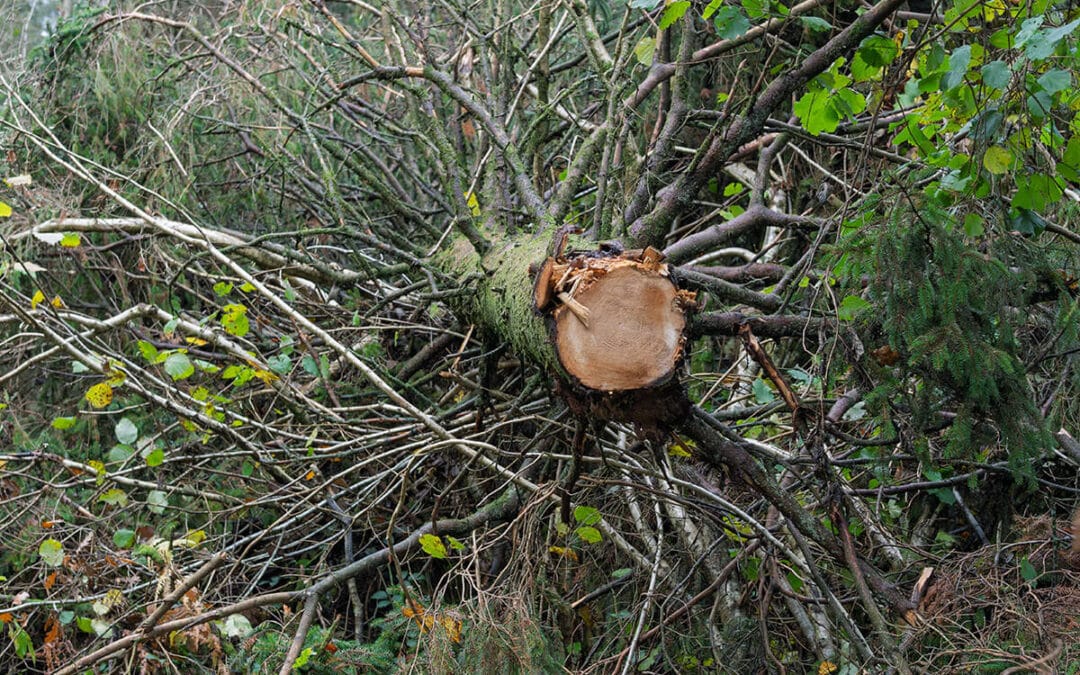
A beautiful, mature tree is the crown jewel of your yard—until its actual crown becomes a liability. Large specimens provide shade and value to a property, but their size must be managed to remain sustainable within an urban setting. Overgrown branches aren’t just an eyesore; they can become major safety hazards during storm season or quietly stress the tree’s health.
Crown reduction serves as a precise method to manage these risks. It involves pruning to reduce the height or spread of a tree’s canopy while maintaining its natural shape. This technique differs from reckless “topping,” which involves indiscriminate heading cuts that lead to decay and weak regrowth. Proper selective branch removal ensures the tree remains structurally sound and aesthetically pleasing while staying within its allotted space.
Here are the specific signs that managed tree height reduction is necessary.
- Proximity to Power Lines
Branches growing toward utility lines pose a significant fire risk and can cause widespread outages. Tree canopy thinning ensures that there is a safe buffer between the foliage and electrical infrastructure. This prevents the need for emergency utility pruning, which often leaves trees looking misshapen or unbalanced.
- Encroachment on Structures
When limbs begin to rub against roofs or gutters, they cause physical damage to your home. Constant friction strips away shingles and can lead to moisture traps. Property-safe tree pruning pulls the canopy back from the building, protecting your investment while maintaining the tree’s overall health and vigour.
- Excessive End-Weight on Limbs
Long, heavy branches that dip toward the ground are prone to “summer branch drop.” This occurs when the internal tension becomes too great for the wood to support. Structural canopy weight reduction lightens these specific limbs, moving the centre of gravity back toward the trunk to prevent sudden failure.
- Obstructed Views or Light
A canopy that is too dense can block natural light from reaching your windows or lawn. This lack of sunlight often kills grass and interior plants. Selective crown volume control allows more light to pass through the canopy without stripping the tree of the foliage it needs for food.
- Signs of Wind-Sail Effect
A tree with a very thick, high canopy acts like a sail in a storm. High winds put immense pressure on the trunk and root system. Wind resistance tree pruning reduces the surface area of the crown, allowing air to move through more easily and lowering the chance of uprooting.
- Dead or Decaying Upper Branches
Dieback in the upper reaches of the tree, known as the crown, often signals that the tree can no longer support its current height. Removing deadwood in the canopy during a reduction prevents these heavy pieces from falling. It also stops the spread of decay into the main stem.
- Interfering with Pedestrian Paths
Low-hanging branches over sidewalks or driveways create hazards for people and vehicles. If you find yourself ducking to walk under your tree, it is time for a lower canopy lift and reduction. This keeps your property accessible while ensuring the tree remains a functional part of the landscape.
- Co-dominant Stems and Tight V-Crotheches
Trees with two main trunks of similar size are prone to splitting down the middle. Reducing the weight and height of one or both stems lessens the leverage acting on that weak union. Weight distribution pruning is a vital preventative measure to keep the tree from breaking apart during ice storms.
Why You Should Never DIY a Crown Reduction
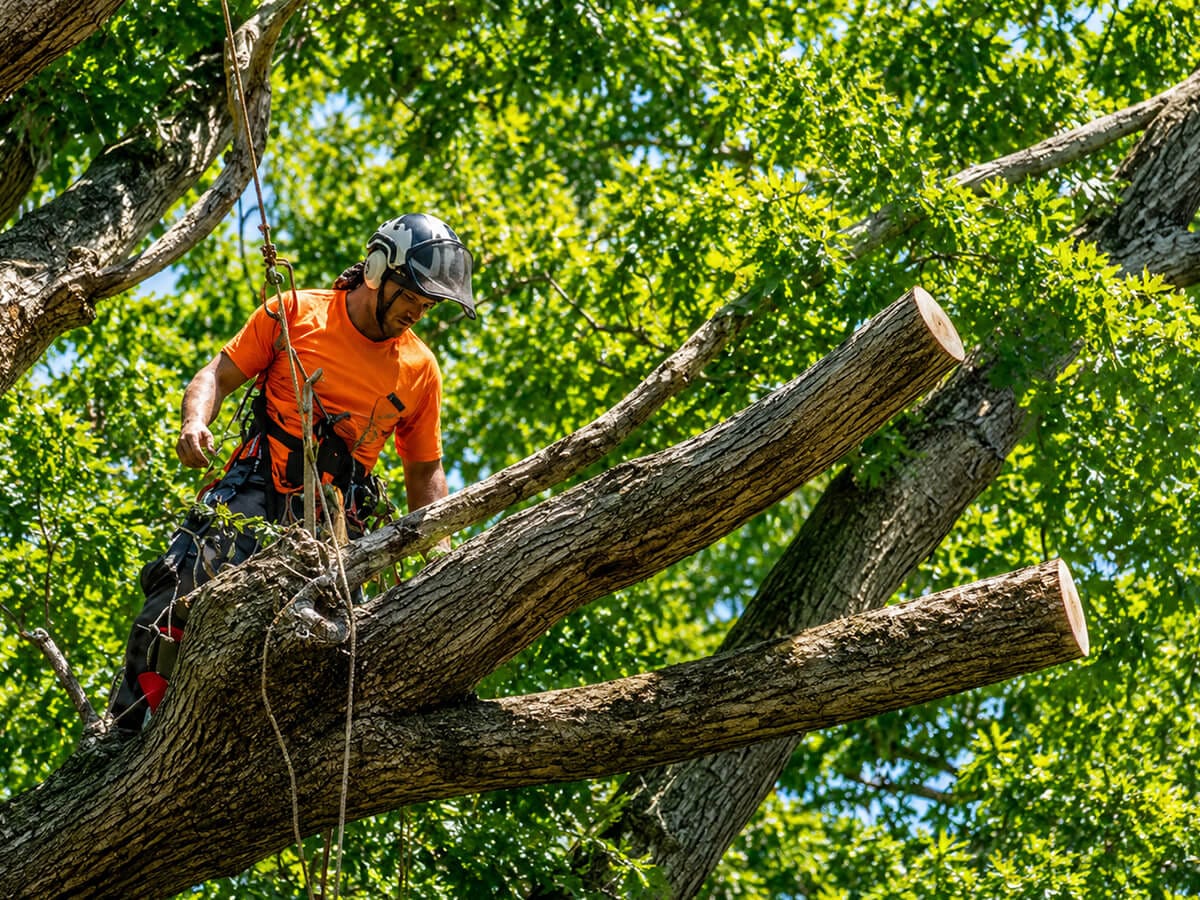
While minor pruning can sometimes be handled by a homeowner, crown reduction involves working at significant heights and making complex biological decisions. Here is why professional arboreal maintenance is required.
- Risk of Catastrophic Falls
Working in the upper canopy requires specialized climbing gear and fall protection. Ladders are often unstable on uneven ground and do not provide the reach needed for high branches. Professional aerial tree work utilizes rigging and harnesses to ensure the person performing the task remains safe at all times.
- Preventing Permanent Stunting
Cutting too much of the canopy at once can shock a tree into a state of decline. A tree needs a specific amount of leaf surface area to produce energy. Qualified tree health management ensures that no more than 20-25% of the foliage is removed in a single growing season.
- Correct Cut Placement
Pruning cuts must be made just outside the branch collar to allow the tree to seal the wound. DIY attempts often result in “flush cuts” or “stub cuts,” both of which invite rot and pests. Proper pruning technique follows the natural biology of the tree to encourage fast healing.
- Avoiding Weak Epicormic Growth
Aggressive, non-professional pruning often triggers the growth of “water sprouts.” These are fast-growing, weak shoots that are poorly attached to the bark. Standardized canopy reduction manages growth hormones within the tree to minimize this type of messy and dangerous regrowth, keeping the tree stronger for longer.
- Knowledge of Local Species
Different species react differently to pruning. For example, a Sugar Maple has different requirements than a White Spruce. Species-specific tree care involves understanding the growth patterns and disease vulnerabilities of local Ontario trees. This prevents the accidental spread of issues like Oak Wilt or Emerald Ash Borer.
- Expensive Equipment Requirements
A standard handsaw is insufficient for large-scale reduction. Professionals use calibrated chainsaws, pole pruners, and wood chippers to handle heavy debris. Equipped tree service teams can remove large limbs safely without dropping them on fences, power lines, or flower beds, which often happens during DIY attempts.
- Liability and Insurance Coverage
If a homeowner accidentally drops a limb on a neighbour’s house, they may face massive out-of-pocket costs. Professional companies carry WSIB and liability insurance. Insured tree pruning services provide peace of mind, ensuring that any unforeseen accidents are covered by the company rather than the property owner’s personal policy.
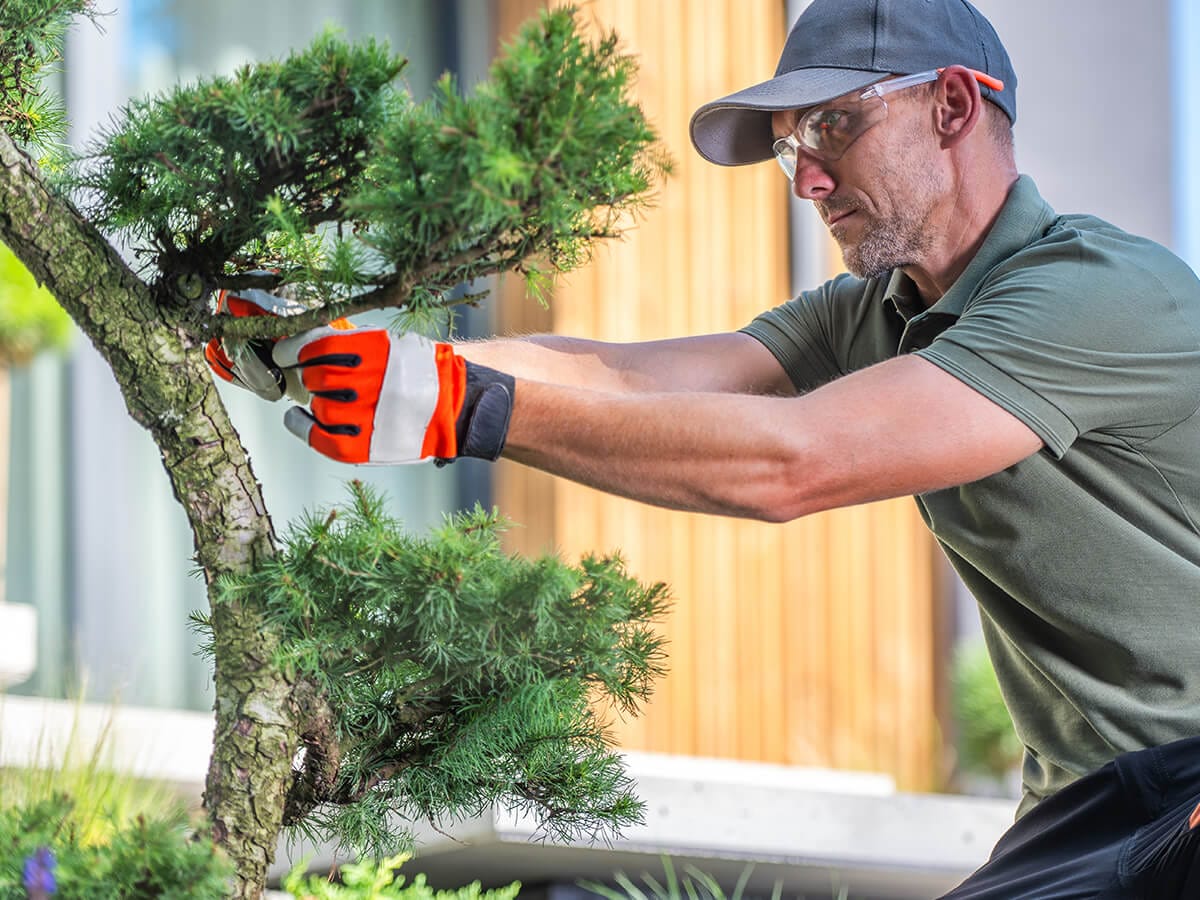
Maintaining the balance between a tree’s size and its safety is a continuous responsibility for any property owner. Crown reduction is a sophisticated tool that preserves the life of the tree while removing the dangers associated with overgrowth. By addressing signs like heavy limb weight, building encroachment, and storm vulnerability early, you ensure your trees remain an asset rather than a threat. Ignoring these physical indicators often leads to more expensive emergency removals or property damage that could have been avoided with a proactive plan.
Proper care requires a deep understanding of tree biology and structural mechanics. When you choose to invest in the health of your canopy, you are choosing the long-term stability of your entire landscape. For those in need of reliable and careful attention to their trees, Four Seasons Expert Tree Maintenance & Removal is here to help. Whether it is a complex reduction or routine safety checks, contact us at (519) 572-9720 to keep your property safe and your trees thriving.