



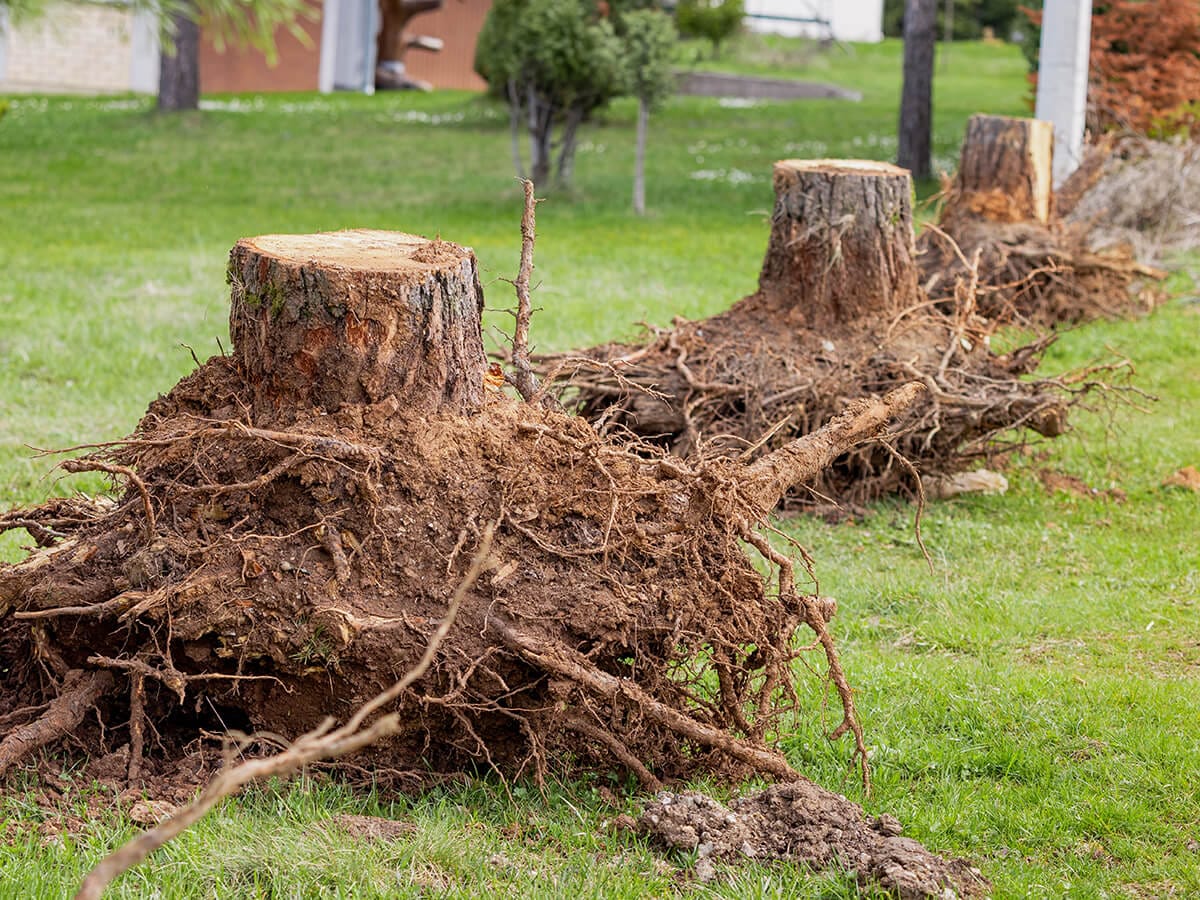
You finally paid to have that dead or dangerous tree removed. But now, you’re left with an unsightly, weather-worn stump sitting right in the middle of your yard. Is it really worth the extra effort to get rid of it? Many homeowners think leaving a tree stump to rot naturally is a harmless, budget-friendly choice.
In reality, an old tree stump is a ticking time bomb for your property’s safety, aesthetics, and health. Remaining wood structures attract destructive insects and create severe tripping liabilities. Grinding it down isn’t just cosmetic—it’s essential home maintenance. Resolving this issue immediately protects your financial investment and ensures long-term safety.
Why Leaving a Stump is a Safety Risk
Leaving subterranean wood to decay naturally introduces multiple dangers to your property. While a small piece of wood might seem innocent, it alters the surrounding ecosystem and creates structural threats. Homeowners must understand the hidden physical and biological liabilities that remain when tree waste is ignored.
- Tripping Accidents for Children: Low-profile wood remnants hide beneath tall grass, creating massive tripping hazards for running children. Guests and family members can easily sprain ankles or suffer severe falls. This hidden danger makes ordinary outdoor play zones unsafe for everyday family activities.
- Destructive Lawn Mower Damage: Hitches, blades, and mower decks suffer catastrophic damage when striking hidden wood structures. Repairs for commercial-grade or residential mowing equipment cost thousands of dollars. Leaving these underground obstructions forces property owners to deal with frequent, expensive mechanical breakdowns.
- Subterranean Termite Infestations: Decaying wood acts as a primary food source for destructive subterranean termites. Landscape Ontario data indicates that buried wood structures draw wood-boring insects directly toward residential foundations. Once established in your yard, these colonies quickly move into your home’s main structural framework.
- Fungal Spore Proliferation: Fungi thrive inside damp, dying wood matrices, producing airborne spores that infect nearby vegetation. The tree stump removal benefits include eliminating these hazardous fungal reservoirs before they spread diseases. Unchecked fungi pose serious health risks to pets and children playing nearby.
- Aggressive Root System Regrowth: Many species continue to push nutrients through remaining root channels, causing sudden suckering sprouts. These aggressive new shoots steal vital moisture and minerals from your grass and flower beds. Constant pruning becomes mandatory unless you choose to permanently destroy the main crown.
- Property Line Legal Disputes: Stumps sitting near property lines often cause boundary disagreements between neighbours. Encroaching roots can crack shared fences, uplift neighbouring walkways, and damage underground utility lines. Unaddressed hazards increase your personal liability if a neighbour suffers injuries or property damage.
Benefits of Stump Grinding
Opting for mechanical processing delivers immediate and long-term advantages for your outdoor space. Utilizing specialized machinery to pulverize wood structure yields a clean slate for future projects. This process offers a sustainable method to restore order and safety to your domestic environment.
- Instant Curb Appeal Restoration: Removing unsightly wood remnants immediately boosts your overall property valuation and aesthetic charm. Eradicating ugly debris allows your grass to grow uniformly across the entire yard. This simple maintenance task transforms chaotic, messy yards into beautifully manicured, highly desirable residential spaces.
- Immediate Topsoil Space Reclamation: Mechanical processing frees up valuable ground space previously blocked by dead root crowns. You can easily install new flower beds, patios, or pristine turf sections over the area. Reclaiming this space allows families to maximize the usable square footage of their lawns.
- Rich Organic Mulch Production: The pulverization process converts old wood into nutrient-rich mulch for your garden. Homeowners can use this fresh byproduct to insulate flower beds and suppress weed growth. Recycling this natural material saves money on commercial gardening supplies while improving soil moisture retention.
- Efficient Vector Pest Elimination: Grinding destroys the nesting sites of carpenter ants, beetles, and rodents. Eliminating these damp cavities stops pests from breeding near your living spaces. This proactive step forms a protective shield around your house, reducing the need for expensive chemical pest control treatments.
- Long-Term Property Value Protection: Well-maintained yards free of biological hazards attract premium buyers during real estate transactions. Appraisers view unground wood remnants as deferred maintenance issues that lower overall property value. Investing in professional stump grinding services secures your financial equity for the future.
- Future Foundation Structure Protection: Leaving deep root systems intact allows them to continue shifting under heavy rains. Moving roots can crack nearby driveway asphalt, structural foundations, and underground drainage pipes. Eliminating the main core stops this subterranean movement, saving you from catastrophic foundation repairs.
Stump Grinding vs. Total Removal: Which is Best?

Choosing the right method depends on your budget, future goals, and property layout. Both techniques address the issue, but they differ greatly in execution and structural impact. Understanding these key differences helps you choose the most efficient option for your household.
- Minimal Lawn Surface Disruption: Mechanical grinding limits heavy machinery damage to the immediate area around the old tree trunk. Total extraction requires massive excavators that tear up large sections of your grass. Choosing the grinding option preserves your existing grass and reduces expensive lawn restoration costs.
- Superior Financial Cost Efficiency: Grinding requires less labour and time, making it highly affordable for average homeowners. Total extraction involves digging out the entire root system, which drastically inflates service fees. This affordable method provides top-tier safety results without draining your household maintenance budget.
- Eco-Friendly Subterranean Stability: Leaving deeply buried root tips to rot slowly underground maintains natural soil stability. Total extraction creates massive craters that cause surrounding dirt to sink and erode over time. Grinding keeps the ground solid and level, preventing dangerous sinkholes from forming later.
- Rapid Project Execution Speed: Professional technicians complete mechanical pulverization in a fraction of the time needed for full extraction. Heavy excavation can take days and requires hauling away massive root balls. The quick grinding process lets you return to your normal routine with minimal disruption.
Neglecting an old tree trunk creates major long-term liabilities for your property. From attracting wood-destroying termites to causing dangerous tripping accidents, the risks far outweigh the cost of elimination. Taking care of this issue protects your lawn equipment, increases your home’s value, and keeps your family safe. Mechanical processing provides the cleanest, fastest, and most affordable solution for modern property owners.
Don’t let an old piece of wood ruin your outdoor space and threaten your home’s structural safety. Trust local professionals to restore your yard using advanced tools and safe techniques. For reliable assistance, choose Four Seasons Expert Tree Maintenance & Removal, contact us at (519) 572-9720 to book your service appointment today.